Do fire ant bites go away on their own? Most do within three to seven days with cold compresses, hydrocortisone cream, an antihistamine, and blisters left intact. An allergic reaction to fire ants that causes trouble breathing or throat swelling is anaphylaxis and needs 911, while spreading redness, pus, or fever signals an infection urgent care can treat.
Fire ant stings burn, itch, and blister, and they often catch you off guard in the yard or at the park. This guide shows you how to treat fire ant stings at home, how to recognize a serious allergic reaction, and when to seek urgent care at Southern Immediate Care across Central and Northeast Alabama. You will learn what a normal reaction looks like, which symptoms signal an emergency, and how to protect your family.
Why Fire Ant Stings Are So Common in Alabama
Fire ants thrive in warm, humid climates, and Alabama gives them everything they need. Their mounds appear in lawns, playgrounds, ball fields, and along sidewalks throughout Central and Northeast Alabama. If you live in Anniston, Attalla, Forestdale, Heflin, Helena, Homewood, Stringfellow, Lakeshore, or Valleydale, you have likely stepped near a mound at some point.
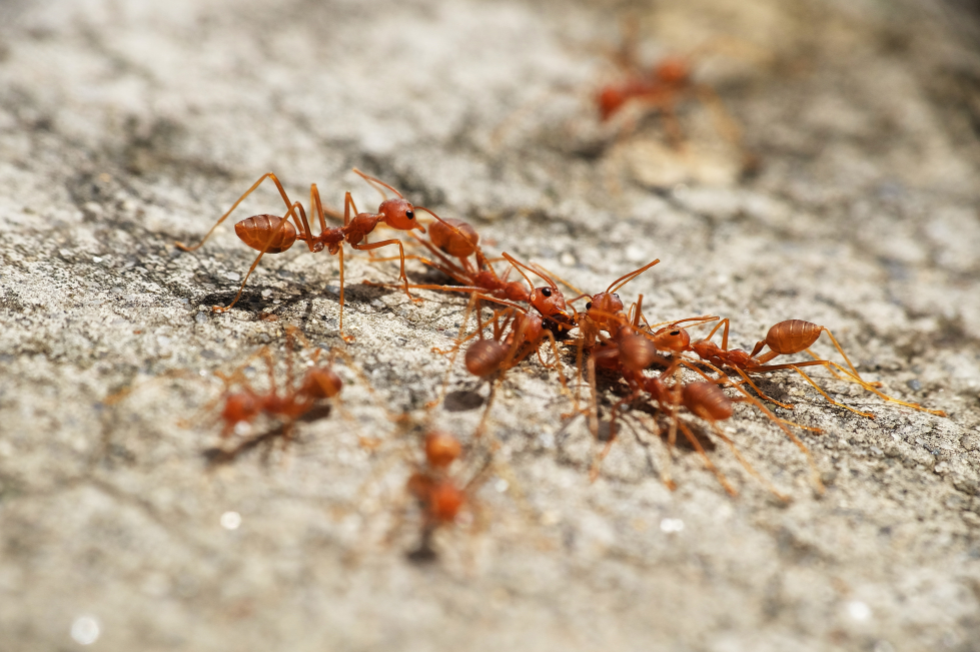
These insects are aggressive. When disturbed, they swarm quickly and sting many times in seconds. A single ant grips your skin with its jaws, then pivots and stings in a circular pattern. That is why you often see clusters of stings rather than one isolated mark. Understanding how they attack helps you respond faster and reduce the damage.
What Happens When Fire Ants Sting You
A fire ant sting delivers venom made largely of alkaloid compounds. This venom causes an immediate burning sensation, which is how these ants got their name. Within minutes, the skin reddens and swells. Over the next several hours, small blisters filled with cloudy fluid form at each sting site.
These pustules are a hallmark of fire ant stings. They usually appear within 24 hours and can last up to a week before fading. The itching often gets worse before it gets better. For most people, this is uncomfortable but not dangerous. The reaction stays local, meaning it affects only the area around the stings.
Some people develop a larger local reaction. This means the swelling spreads well beyond the sting site. An ant bite on the foot might cause the entire foot to swell. While alarming, a large local reaction is not the same as a whole-body allergic reaction. It still requires care, especially if the swelling limits movement or the skin breaks open.
Home Care for Fire Ant Stings
Most fire ant stings respond well to simple home treatment. Acting quickly reduces pain and lowers your risk of infection.
Start by moving away from the mound and brushing off any ants still on your skin. Fire ants cling tightly, so flick them off rather than wiping, which can trigger more stings. Wash the area with soap and cool water as soon as possible.
Apply a cold compress or an ice pack wrapped in a cloth for 10 to 15 minutes at a time. Cold reduces swelling and dulls the burning. Elevate the affected limb if you were stung on a hand, arm, foot, or leg. Raising the area helps drain excess fluid and calms the swelling.
For itching and inflammation, an over-the-counter hydrocortisone cream or calamine lotion works well. An oral antihistamine reduces itching and mild swelling throughout the body. Acetaminophen or ibuprofen eases pain and discomfort. Follow the dosing directions on the label, and use children’s formulas for younger patients.
The hardest part is leaving the blisters alone. Scratching or popping the pustules breaks the skin and opens the door to infection. Keep the area clean and covered if needed. Trim your child’s nails to reduce scratching damage. Apply a thin layer of antibiotic ointment only if a blister opens on its own.
How Do You Make Fire Ant Bites Go Away Quickly
There is no instant cure, but consistent care speeds healing. Cool compresses, hydrocortisone cream, and an antihistamine ease symptoms within hours. Keep the blisters intact and clean. Most stings resolve within three to seven days when you avoid scratching and infection.
Are Red Ant Bites Dangerous
For most people, fire ant stings hurt and itch but heal on their own. The real danger comes from two situations. The first is a severe allergic reaction, which can be life-threatening. The second is infection from scratched or broken blisters. Both need prompt attention.
Recognizing an Allergic Reaction to Fire Ant Stings
While most reactions stay local, some people are allergic to fire ant venom. An allergic reaction ranges from mild to severe. Knowing the difference between a normal reaction and a dangerous one protects you and your family.
A mild allergic reaction includes hives away from the sting site, widespread itching, and mild swelling in areas the ants did not touch. These symptoms need attention but are not usually emergencies. An antihistamine often controls them, and a visit to urgent care confirms you are safe.
A severe allergic reaction, called anaphylaxis, is a medical emergency. It develops fast, often within minutes to two hours of the stings. Watch for these warning signs:
- Difficulty breathing or wheezing
- Swelling of the throat, tongue, or lips
- Tightness in the chest
- Hoarseness or trouble swallowing
- Dizziness, fainting, or a rapid weak pulse
- Widespread hives combined with nausea or vomiting
If you or someone with you shows any of these symptoms, call 911 right away. Do not wait to see if it improves. If the person has an epinephrine auto-injector, use it immediately and still seek emergency help. Anaphylaxis can worsen quickly and requires emergency treatment, not urgent care.
How Long Does an Allergic Reaction to Fire Ants Last
A mild local reaction lasts a few days, with itching and blisters fading over about a week. A larger local allergic reaction with spreading swelling can persist for several days and sometimes longer. Systemic allergic symptoms like hives may resolve within hours once treated with an antihistamine. Severe anaphylaxis requires emergency care and close monitoring.
Watching for Infection After Fire Ant Stings
Even without an allergy, fire ant stings can become infected. The blisters break easily, and bacteria enter through the open skin. Infection often shows up two or three days after the stings.
Signs of infection include increasing redness that spreads outward, warmth around the area, pus or cloudy drainage that smells bad, and worsening pain instead of improvement. You might also notice red streaks running from the site or develop a fever. These symptoms mean the wound needs medical treatment.
Do not ignore an infected sting. Left untreated, a skin infection spreads deeper and becomes harder to treat. Southern Immediate Care providers evaluate the wound, clean it properly, and prescribe antibiotics when needed. Catching an infection early keeps it from turning into a bigger problem.
When Should You Go to Urgent Care for Fire Ant Stings
Home care handles most fire ant stings, but some situations call for professional evaluation. Visit an urgent care clinic when your symptoms go beyond a normal reaction or when home
treatment is not enough.
Seek urgent care if you have signs of infection, such as spreading redness, pus, or fever. Come in if the swelling is severe and limits your movement, or if you were stung many times over a large part of your body. Young children, older adults, and people with weakened immune systems benefit from a professional look, since they face higher risks.
You should also visit if hives appear away from the sting site, if you feel mild throat tightness that is not an emergency, or if you had a strong reaction to fire ants in the past. A provider can assess your risk and discuss whether you need an allergy referral or an epinephrine prescription.
Southern Immediate Care treats fire ant stings and their complications across nine locations in Central and Northeast Alabama. With on-site diagnostics and lab testing at each facility, the team evaluates infections, manages severe local reactions, and provides fast relief. Walk-in availability means you do not have to wait for an appointment when a sting turns worse.
When Should You Go to the ER for Fire Ant Bites
Go to the emergency room or call 911 if you have trouble breathing, throat or tongue swelling, hoarseness, chest tightness, dizziness, fainting, or a fast weak pulse after stings. These are signs of anaphylaxis, which is life-threatening. Urgent care handles infections and moderate reactions, but true anaphylaxis needs emergency care.
What to Do If You Are Allergic to Fire Ants
If you know you are allergic to fire ants, carry an epinephrine auto-injector and keep it with you outdoors. Teach family members and coworkers how to use it. Wear closed shoes and socks when walking through grass or near mounds. Check the ground before sitting or letting children play.
After a known reaction, follow up with a medical provider to review your treatment plan. Southern Immediate Care can evaluate your history, help you understand your triggers, and guide you toward the next steps for long-term management. Preventive care and preparation reduce your risk every time you head outside.
Protecting Your Family From Fire Ant Stings
Prevention beats treatment. Inspect your yard regularly and treat visible mounds. Keep children away from mounds at parks and ball fields. Wear shoes, socks, and long pants when working in the garden or hiking. If you disturb a mound, move away quickly and check your legs and feet for ants.
Families across Anniston, Attalla, Forestdale, Heflin, Helena, Homewood, Stringfellow, Lakeshore, and Valleydale deal with fire ants every warm season. A little awareness goes a long way. Teach your kids to recognize mounds and to tell an adult if they get stung. Fast action limits the number of stings and speeds recovery.
Frequently Asked Questions
Can I treat fire ant stings entirely at home?
Yes, most fire ant stings respond to cold compresses, hydrocortisone cream, antihistamines, and pain relievers. Keep the blisters clean and intact. See a provider if you notice infection, severe swelling, or any allergic symptoms.
How can I tell a normal reaction from an allergic one?
A normal reaction stays around the sting site with pain, redness, and blisters. An allergic reaction spreads, causing hives away from the stings, whole-body itching, or in severe cases, breathing trouble and throat swelling. Whole-body symptoms need medical attention.
Does Southern Immediate Care treat children with fire ant stings?
Yes, Southern Immediate Care provides urgent care for all ages, including children. The team treats stings, infections, and reactions in a welcoming, family-friendly environment across all nine Alabama locations.
Do I need antibiotics for a fire ant sting?
Not usually. Antibiotics are only needed if the sting becomes infected, showing spreading redness, pus, or fever. A provider at Southern Immediate Care can examine the wound and prescribe antibiotics when appropriate.
Get Fast Relief From Fire Ant Stings at Southern Immediate Care
Fire ant stings turn a normal day outdoors into a painful ordeal, and complications can follow if you do not act. Southern Immediate Care delivers quality urgent care for all ages seven days a week with extended hours, so help is available when you need it. From treating infected stings and severe swelling to physicals, immunizations, and on-site diagnostics, the dedicated team cares for you and your family with respect and compassion. Walk in or call (205) 409-2794 to visit one of our nine locations in Anniston, Attalla, Forestdale, Heflin, Helena, Homewood, Stringfellow, Lakeshore, or Valleydale. Your health is valuable, and so is your time.