
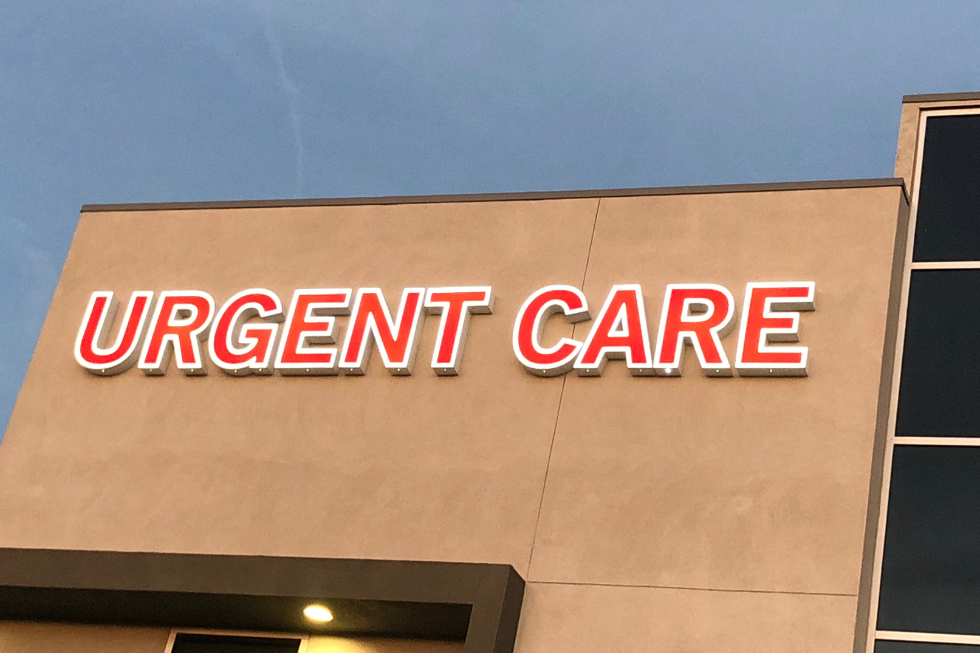
In the realm of healthcare, knowing where to go when you’re sick or injured can be confusing. Should you head to the emergency room or visit an urgent care center? This guide will help you understand the differences between these two options and when it’s appropriate to choose urgent care over the emergency room.
Understanding Urgent Care and Emergency Care
Urgent care centers and emergency rooms serve different purposes in the healthcare system. Urgent care facilities are designed to treat non-life-threatening conditions that require prompt attention but aren’t severe enough to warrant an emergency room visit. These centers typically offer extended hours, including evenings and weekends, to provide care when your primary care physician may not be available.
On the other hand, emergency rooms are equipped to handle life-threatening situations and severe medical conditions. They operate 24/7 and have the resources to perform complex procedures, admit patients to the hospital if necessary, and provide specialized care for critical conditions.
The key difference lies in the severity and urgency of the medical issue. While emergency rooms are crucial for severe, life-threatening conditions, urgent care centers can effectively manage a wide range of less severe health concerns.
When to Choose Urgent Care
Urgent care centers are ideal for a variety of non-emergency medical conditions. These facilities can handle many common health issues that need prompt attention but aren’t life-threatening. Some conditions that are suitable for urgent care include:
Mild to moderate injuries: Sprains, strains, minor fractures, and cuts that may require stitches can all be treated at urgent care centers. These facilities often have on-site X-ray capabilities to diagnose fractures and can provide necessary treatments like splinting or suturing.
Common illnesses: Conditions such as the flu, strep throat, ear infections, sinus infections, and urinary tract infections are routinely treated at urgent care centers. These facilities can perform rapid tests for many common illnesses and prescribe appropriate medications.
Skin conditions: Rashes, minor burns, insect bites, and other skin-related issues can be effectively managed at urgent care centers. They can provide treatments ranging from topical medications to oral antibiotics when necessary.
Minor eye problems: Issues like pink eye or minor eye injuries can often be treated at urgent care facilities. However, more severe eye injuries or sudden vision changes should be evaluated at an emergency room.
Dehydration: Mild to moderate dehydration, often resulting from illnesses causing vomiting or diarrhea, can be treated with oral or intravenous fluids at an urgent care center.
Mild asthma or allergic reactions: For individuals with known allergies or asthma experiencing mild to moderate symptoms, urgent care can provide necessary treatments. However, severe allergic reactions or difficulty breathing should be treated as emergencies.
It’s important to note that while urgent care centers can handle these conditions, they aren’t equipped for life-threatening emergencies. Any condition that could potentially be life-threatening, such as chest pain, severe bleeding, or signs of stroke, should be treated at an emergency room.
Benefits of Choosing Urgent Care
Opting for urgent care when appropriate offers several advantages over visiting an emergency room:
Shorter wait times: Emergency rooms prioritize patients based on the severity of their condition, which can lead to long wait times for non-emergency cases. Urgent care centers typically have shorter wait times, allowing you to receive care more quickly.
Lower costs: Urgent care visits are generally less expensive than emergency room visits. This is particularly beneficial for individuals with high-deductible health plans or those without insurance.
More personalized care: Due to the nature of their work, emergency room staff must prioritize the most critical cases. In contrast, urgent care centers can often provide more personalized attention for non-emergency conditions.
Convenience: Many urgent care centers offer extended hours and are open on weekends, making them a convenient option when your primary care physician isn’t available.
Efficient care for non-emergency issues: Urgent care centers are specifically designed to handle non-emergency medical issues efficiently. This means you’re likely to receive focused care for your condition without the distractions of more severe emergencies.
Reduced burden on emergency services: By choosing urgent care for non-emergency conditions, you help keep emergency rooms available for those who truly need immediate, life-saving care.
Follow-up care: Many urgent care centers can provide follow-up care or refer you to appropriate specialists if needed, ensuring continuity of care for your condition.
Southern Immediate Care: Your Local Urgent Care Solution
At Southern Immediate Care, we’re committed to providing high-quality urgent care services to our community. Our facility is equipped to handle a wide range of non-emergency medical conditions, offering the benefits of urgent care with the expertise you can trust.
Our services include:
Urgent care for non-life-threatening conditions: We treat a variety of illnesses and injuries, from the common cold to minor fractures and everything in between.
Occupational medicine: We offer comprehensive occupational health services, including pre-employment physicals, worker’s compensation care, and drug testing.
In-house digital X-rays: Our state-of-the-art digital X-ray technology allows for quick and accurate diagnosis of fractures and other conditions requiring imaging.
On-site lab services: We can perform many common lab tests on-site, providing you with quick results and allowing for prompt treatment decisions.
Our team of experienced healthcare professionals is dedicated to providing efficient, compassionate care to every patient. We understand that illness and injury don’t always happen during regular business hours, which is why we offer extended hours to serve you when you need us most.
When deciding between urgent care and the emergency room, it’s crucial to assess the severity of your condition. Life-threatening emergencies such as chest pain, severe bleeding, difficulty breathing, or signs of stroke always warrant an immediate trip to the emergency room. However, for non-emergency conditions that still require prompt attention, urgent care centers like Southern Immediate Care can provide efficient, cost-effective care.
Remember, your health is paramount. If you’re ever unsure about the severity of your condition, it’s always better to err on the side of caution and seek emergency care. However, for those everyday illnesses and injuries that need attention but aren’t emergencies, urgent care centers offer a valuable healthcare option.
By understanding when to choose urgent care over the emergency room, you can ensure you receive the right level of care in the most appropriate setting. This not only benefits your health and wallet but also helps maintain the efficiency of our overall healthcare system. Next time you’re faced with a non-emergency medical issue, consider visiting Southern Immediate Care – we’re here to provide the care you need, when you need it.
